
Root Canal Treatment in McAllen, TX
Root canals often get a bad reputation, but they are one of the most effective ways to relieve tooth pain and save a damaged tooth. When the inside of a tooth becomes infected or inflamed, root canal therapy at Royalty Smilez gently removes the problem tissue and preserves your natural tooth, avoiding the need for an extraction. With modern anesthesia and techniques, Dr. Iheanacho makes the process as comfortable and stress-free as possible.
Request an AppointmentWhy You Might Need a Root Canal
Inside every tooth is soft tissue called the pulp, which contains nerves and blood vessels. A root canal is typically recommended when the pulp becomes infected or inflamed due to deep decay, a crack, repeated dental procedures, or trauma to the tooth. Left untreated, the infection can spread, cause an abscess, and eventually lead to tooth loss.
Signs You May Need Root Canal Therapy
- Severe tooth pain when chewing or biting
- Sensitivity to hot or cold that lingers after the source is removed
- Swollen or tender gums around a tooth
- A pimple-like bump on the gums
- Darkening or discoloration of the tooth
- A cracked or chipped tooth
Some infected teeth do not hurt at all, which is why regular checkups and X-rays are so important. If you notice any of these symptoms, call our office so we can evaluate the tooth before the problem gets worse.
What Happens During a Root Canal
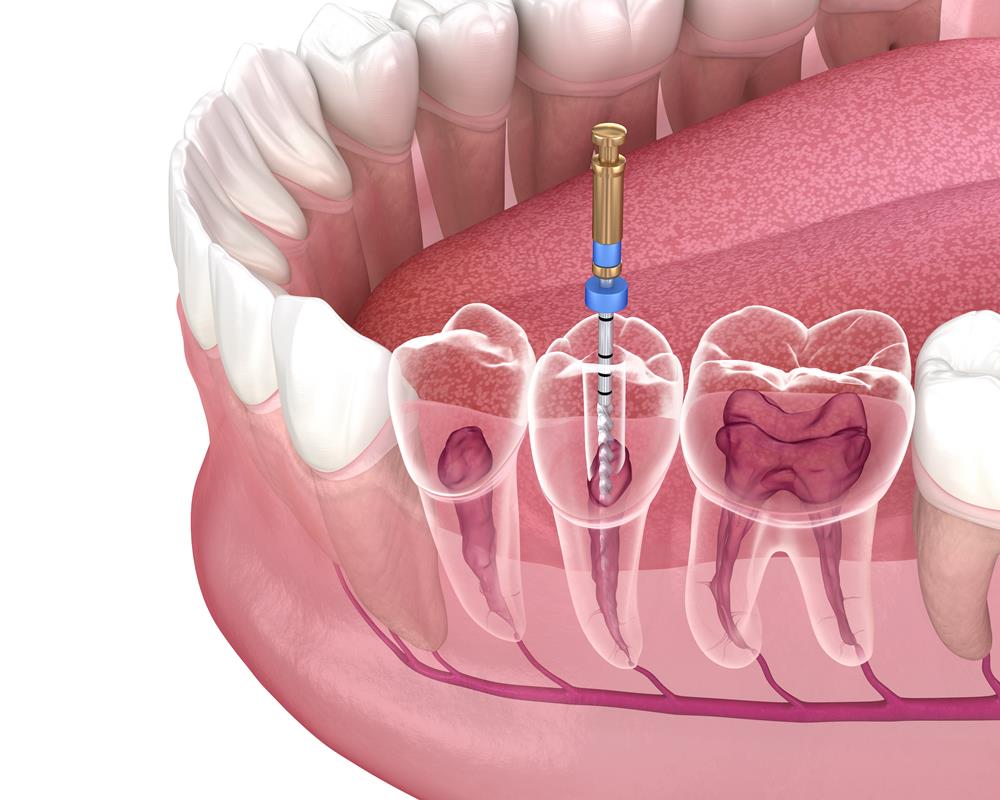
Root canal therapy is typically completed in a visit or two and feels similar to getting a filling. First, the tooth and surrounding area are numbed. Dr. Iheanacho then creates a small opening in the tooth, removes the infected or inflamed pulp, and carefully cleans and shapes the inside of the canals. The tooth is then filled and sealed to prevent future infection.
Because a tooth can become more brittle after root canal treatment, most patients receive a dental crown to restore full strength and protect the tooth for years to come.
Recovery After a Root Canal
Most patients return to normal activities the same day or the next day. Some tenderness is normal for a few days and can usually be managed with over-the-counter pain relievers. Avoid chewing hard foods on the treated tooth until your permanent restoration is placed, and continue brushing and flossing as usual.
Root Canal or Extraction?
Whenever possible, saving your natural tooth is the best option for your bite, your jawbone, and your long-term oral health. If a tooth is too damaged to be saved, a tooth extraction followed by a replacement such as a dental implant may be recommended. We will always explain your options clearly so you can make an informed decision.
Do not live with tooth pain. Call Royalty Smilez at (956) 627-0525 to schedule an evaluation.
Request an AppointmentRoot Canal FAQs
Are root canals painful?
With modern anesthesia and techniques, root canals are usually no more uncomfortable than getting a filling. Most patients feel relief from their tooth pain after treatment.
How do I know if I need a root canal?
Common signs include severe pain when chewing, lingering sensitivity to hot or cold, swollen gums, and a darkening tooth. Some infected teeth show no symptoms, so an exam and X-rays are the best way to know.
Does a root canal kill the tooth?
The tooth is not dead after treatment. It is cleaned, sealed, and preserved, and it remains functional in your mouth.
Will I need a crown after my root canal?
Most teeth treated with a root canal receive a crown afterward to restore strength and protect the tooth from cracking.
How long does it take to recover from a root canal?
Most patients return to normal activities within a day. Mild tenderness for a few days is common and is usually managed with over-the-counter pain relievers.
How long does a tooth last after a root canal?
With proper care and a protective crown, a tooth treated with root canal therapy can last a lifetime.
Is it better to get a root canal or pull the tooth?
Saving your natural tooth with a root canal is usually the best choice for your bite and jawbone. If the tooth cannot be saved, we will discuss extraction and replacement options.