
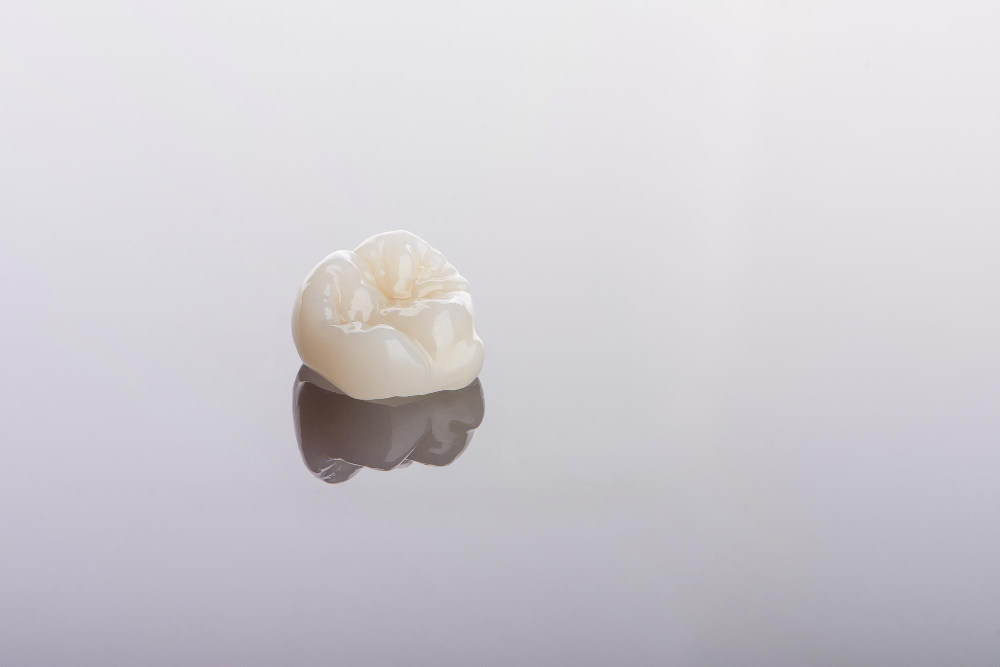
Dental Crowns in McAllen, TX
Dental crowns are custom-made caps designed to cover a damaged or weakened tooth, restoring its shape, strength, and appearance. At Royalty Smilez, Dr. Iheanacho uses crowns to protect cracked, worn, or heavily decayed teeth and to strengthen teeth after a root canal. A well-made crown lets you bite, chew, and smile with confidence again, and it is designed to blend in naturally with the rest of your smile.
Request an AppointmentWhy You Might Need a Dental Crown
A crown is often the best way to save a natural tooth that is too damaged for a simple repair. Crowns are commonly recommended for teeth that have:
- Large cavities that cannot be repaired with a filling
- Cracks, chips, or fractures that weaken the tooth
- Been treated with a root canal and need added protection
- Become severely worn down from grinding or age
- Cosmetic imperfections such as discoloration or an irregular shape
Crowns are also used to restore dental implants, creating a natural-looking replacement for a missing tooth.
Types of Dental Crowns
Dental crowns are available in several materials, each with unique benefits. Dr. Iheanacho will recommend the best option based on the location of the tooth, your bite, and your cosmetic goals.
- Porcelain or Ceramic: Natural-looking and ideal for front teeth, blending seamlessly with your smile.
- Zirconia: Exceptionally strong, long-lasting, and highly aesthetic for both front and back teeth.
- Porcelain-Fused-to-Metal: Combines the strength of metal with a natural porcelain surface.
- Metal: Extremely durable and well suited for back teeth that handle heavy chewing forces.
What to Expect When Getting a Crown
The process begins with an exam and X-rays to evaluate the tooth and surrounding structures. Once a crown is recommended, the tooth is numbed and gently shaped to make room for the new restoration. We then take precise impressions so your crown can be custom-made to fit your bite and match the color of your natural teeth.
A temporary crown protects your tooth while your permanent crown is being created. At your next visit, we remove the temporary, check the fit and color of your final crown, and bond it securely in place. Some temporary sensitivity is normal and usually fades within a few days to a few weeks.
Caring for Your Crown
A crown needs the same care as your natural teeth. Brush twice daily, floss around the crown, and keep up with regular checkups. With good habits, a crown can last 10 to 15 years or longer. If you grind your teeth, ask us whether a night guard can help protect your crown and the rest of your smile.
Looking to improve the appearance of front teeth that are healthy but stained or chipped? Porcelain veneers may be a more conservative option. Call (956) 627-0525 to schedule a consultation at Royalty Smilez and find out which treatment is right for you.
Request an AppointmentDental Crown FAQs
How do I know if I need a dental crown?
You may need a crown if a tooth has a large cavity, a crack or fracture, severe wear, or has been treated with a root canal. An exam and X-rays help us determine the best treatment.
Are crowns only for older adults or back teeth?
No. Crowns can be placed on teeth of any age and on any tooth, including front teeth, to restore strength, function, and appearance.
Do dental crowns look natural?
Yes. Porcelain, ceramic, and zirconia crowns are custom-made to match the color, shape, and size of your natural teeth.
How long do dental crowns last?
With proper brushing, flossing, and regular dental visits, crowns commonly last 10 to 15 years or longer, although they may eventually need replacement.
Is getting a crown painful?
The tooth is numbed before it is prepared, so the procedure is typically comfortable. Mild sensitivity afterward is normal and usually fades within a few days to weeks.
How many visits does a dental crown require?
Most crowns require two visits: one to prepare the tooth and place a temporary crown, and a second to bond your custom permanent crown.
Can a crown chip or break?
Modern crowns, especially zirconia and porcelain-fused-to-metal, are very strong and handle normal chewing well. Avoiding very hard objects and wearing a night guard if you grind helps protect them.